


Exploring the History of Coquitlam River in BC Canada Through Vintage Photographs
The Coquitlam River in British Columbia holds a rich history that reflects the natural beauty and cultural heritage of the region. This river has witnessed the lives of Indigenous peoples, early settlers, and the growth of nearby communities. By looking at vintage photographs, we can uncover stories from the past and see how the river shaped the landscape and lives around it.
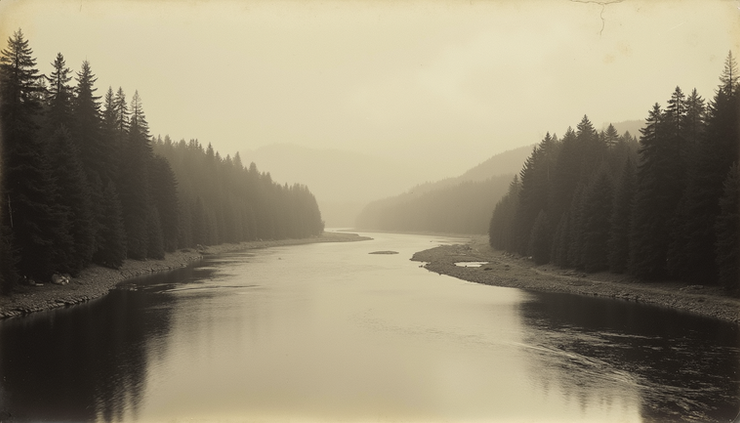
Early History and Indigenous Connection
The Coquitlam River has been an important site for the Coast Salish peoples for thousands of years. The river provided a reliable source of salmon, which was central to their diet and culture. Indigenous communities established fishing camps along the riverbanks, using traditional techniques passed down through generations.
The name "Coquitlam" itself comes from the Halkomelem language, meaning "red fish up the river," a reference to the salmon runs that once thrived here. These early inhabitants lived in harmony with the river, respecting its cycles and ensuring the sustainability of its resources.
Settler Arrival and Development
In the late 19th and early 20th centuries, European settlers arrived in the Coquitlam area. They were drawn by the river’s potential for logging, fishing, and transportation. The river became a vital route for moving timber downstream to mills and markets.
Vintage photographs from this period show loggers working along the riverbanks, using the water to float logs. Small wooden bridges and rudimentary dams appeared, altering the river’s flow but supporting the growing economy. Settlements began to form near the river, including the town of Coquitlam, which grew alongside the river’s resources.

Changes in the Mid-20th Century
By the mid-1900s, the Coquitlam River saw significant changes. The construction of the Coquitlam Dam in 1914 and its expansion later altered the river’s natural flow. This dam was built to supply water and hydroelectric power to the growing Metro Vancouver area.
While the dam brought benefits, it also impacted salmon migration and the river’s ecosystem. Efforts to balance human needs with environmental protection began to take shape. Vintage images from this era capture the dam’s imposing structure and the surrounding landscape before modern urban development took hold.
Conservation and Recreation Today
Today, the Coquitlam River is valued not only for its natural resources but also as a place for recreation and conservation. Hiking trails, parks, and fishing spots attract locals and visitors alike. Restoration projects aim to improve fish habitats and restore parts of the river to a more natural state.
Looking back at vintage photographs helps us appreciate the river’s journey through time. These images remind us of the river’s role in shaping the community and the importance of protecting it for future generations.


Comments